
Iceland Cruise
Magnificent Natural Wonders




Get Pharaohs Deals, Book Now Today
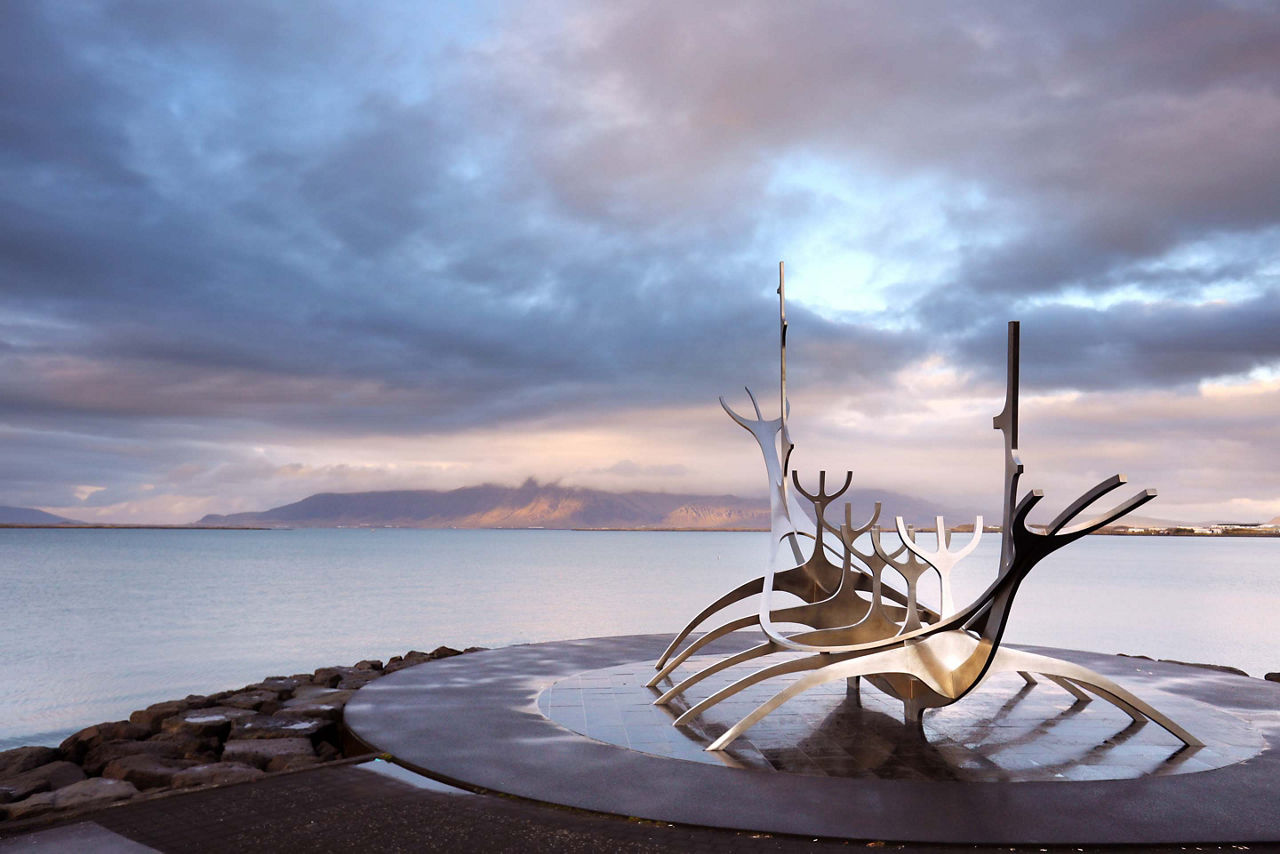
ADMIRE THE ARCTIC
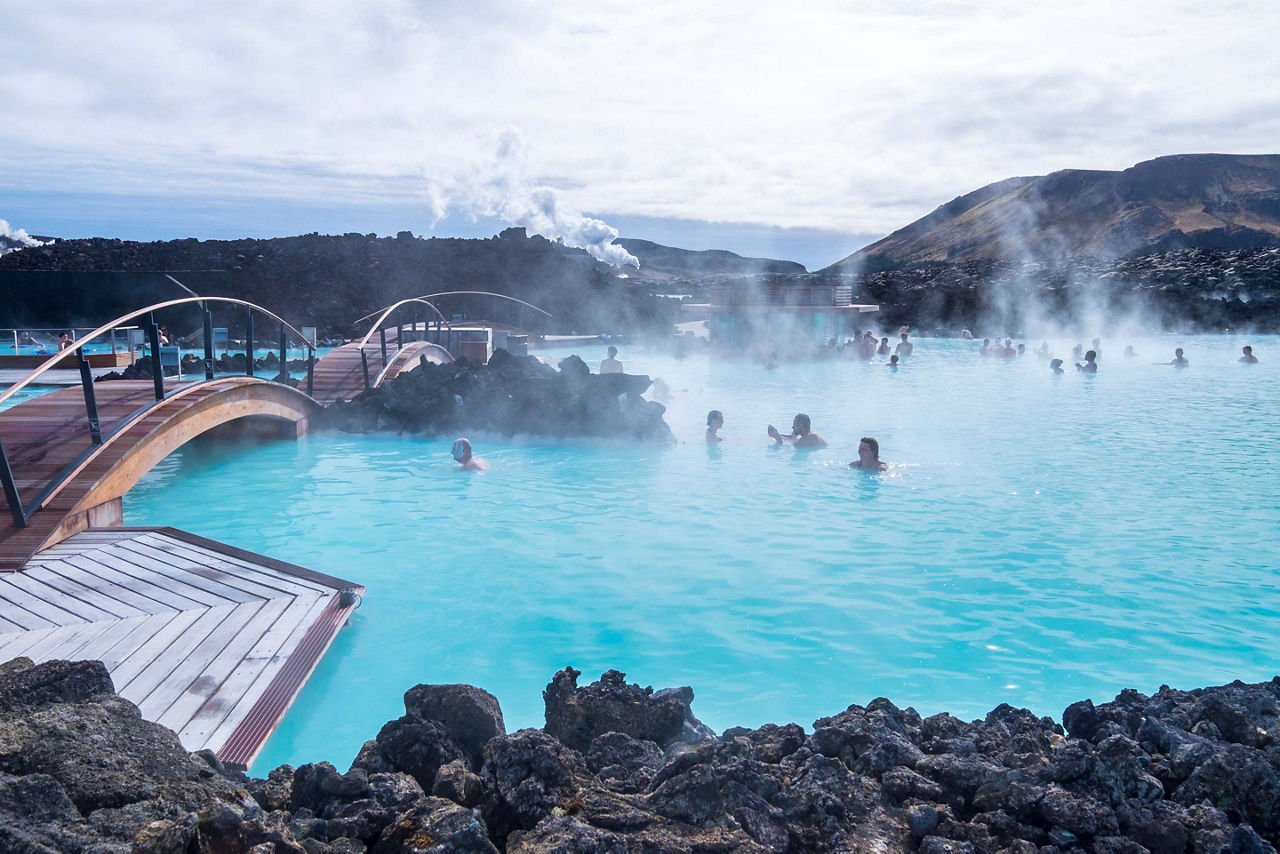
Iceland cruises showcase breathtaking natural wonders like black volcanic rocks, waterfalls, glaciers, and the soothing Blue Lagoon. Reykjavík offers unique Icelandic culture and cuisine to delight visitors. Pair this adventure with a majestic Norway cruise, exploring famous fjords, charming villages, and vibrant cities like Oslo and Bergen. For an elegant and scenic journey, a European cruise provides an immersive way to experience historic cities, stunning landscapes, and local traditions across the continent, making these cruise choices perfect for nature lovers and culture seekers alike.
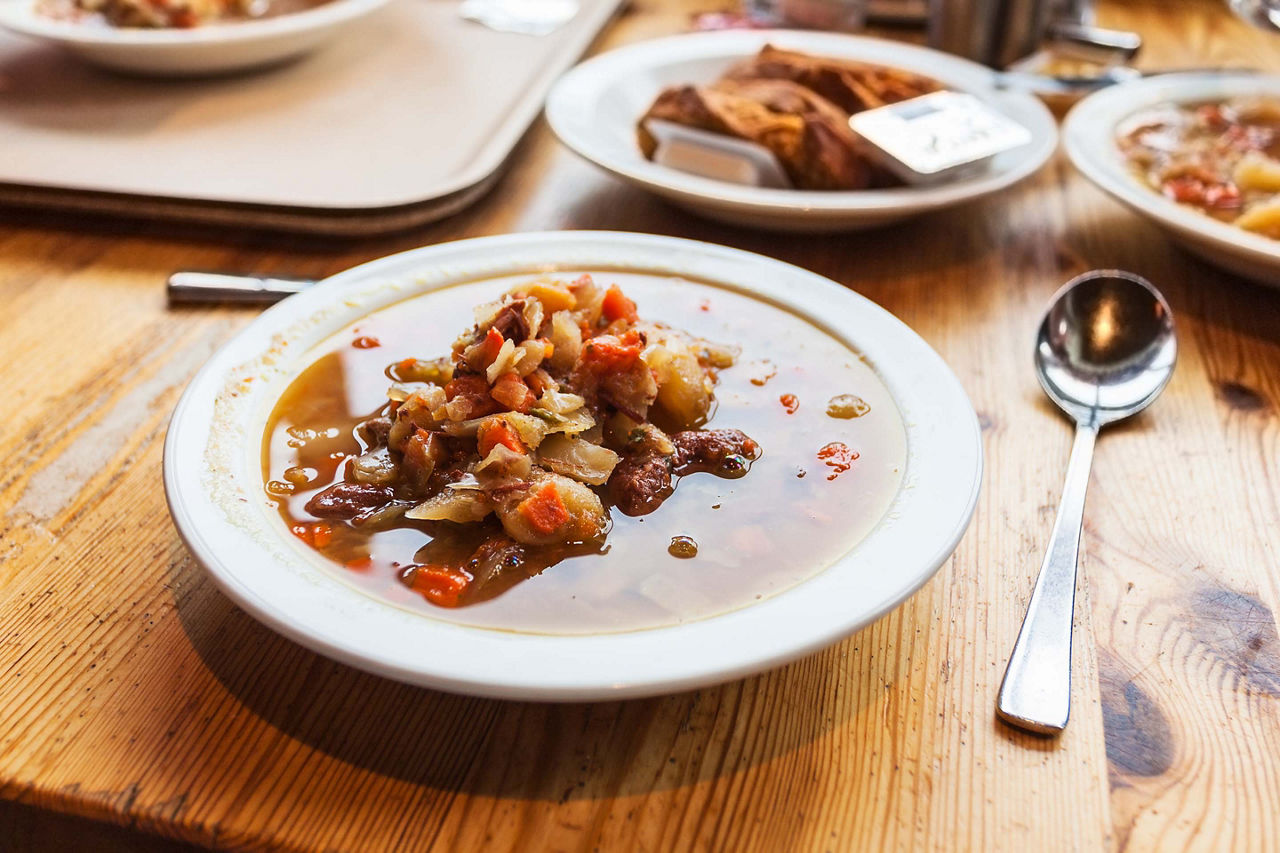
BECOME A LAMB STEWARD
Most Icelandic dishes are based on fresh fish, tender lamb, dairy, and root vegetables. When in Reykjavík, be sure to try the traditional Icelandic meat stew made with lamb, potatoes, carrots, and herbs—a hearty and comforting dish. For the more adventurous, sample Hákarl, fermented shark, typically washed down with a local craft beer such as one from Við Breiði. These dishes highlight Iceland’s unique culinary heritage, reflecting its rugged landscape and rich traditions.
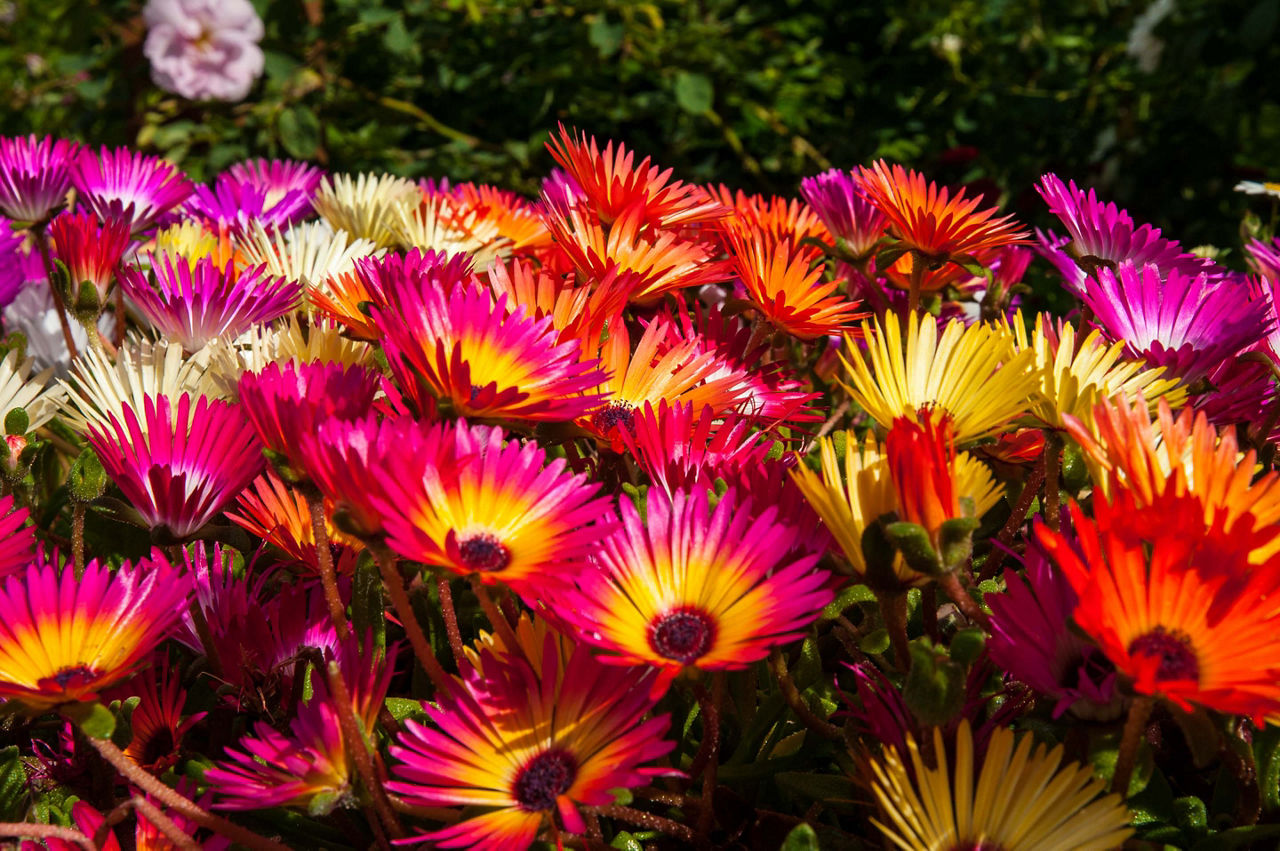
FEEL THE FLORA
Iceland is known for its barren and rocky landscape, which limits the variety of plants and trees. However, in the Lystigarðurinn of Akureyri, the world's northernmost botanical garden, you can discover an impressive collection of over 430 native species of colorful wild Arctic flowers. The garden also features around 7,000 species of plants, thriving against the odds in this subarctic climate, making it a unique place to explore Icelandic flora and enjoy the region's natural beauty.
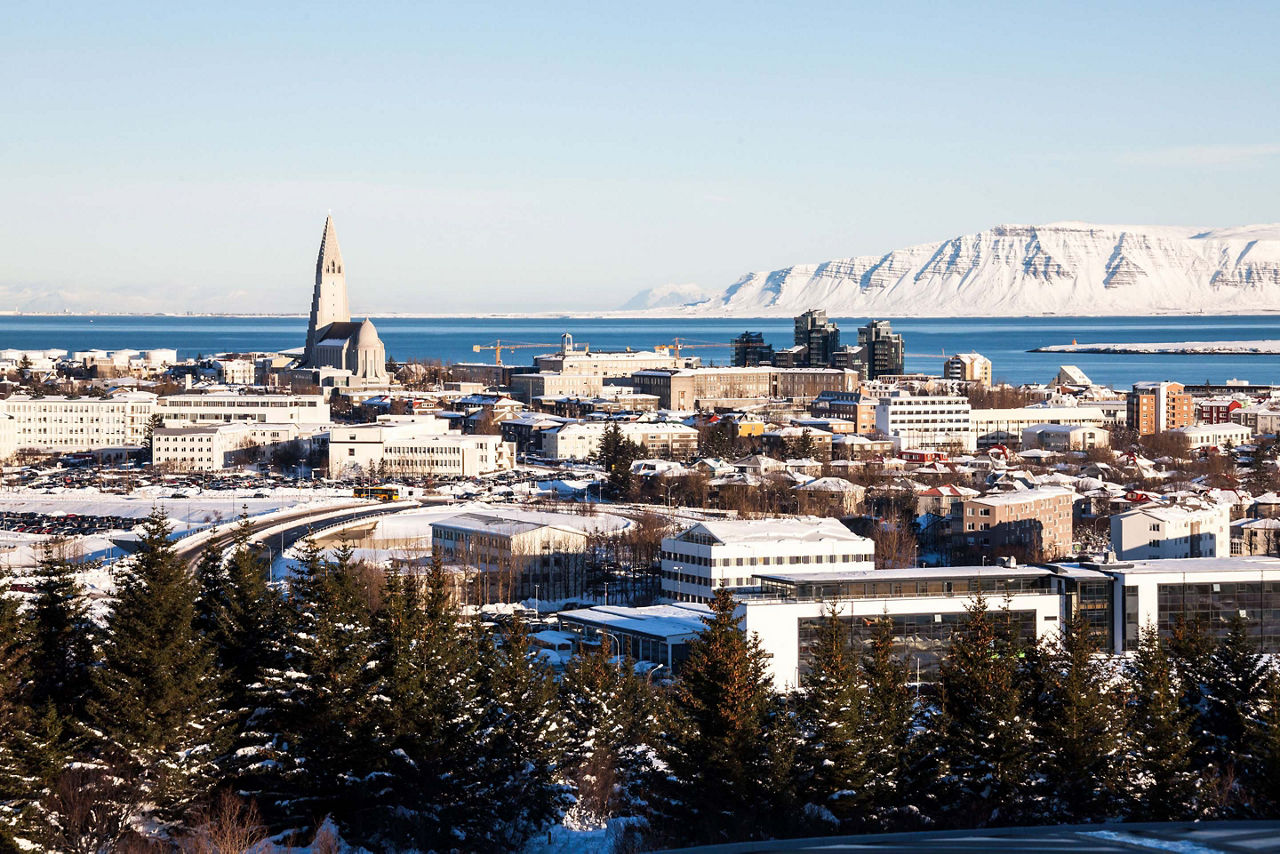
VOLCANIC VIEWS
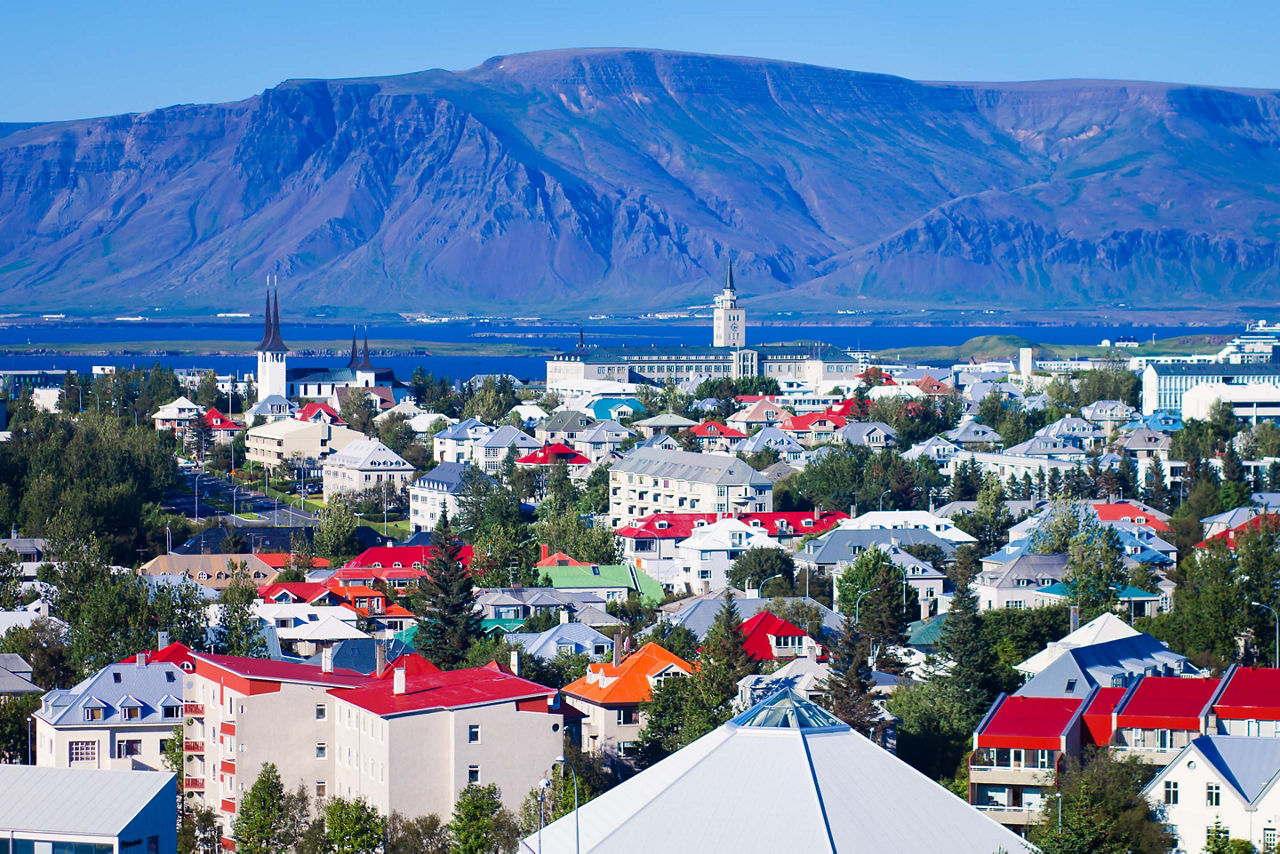
Hop on a free shuttle in Reykjavík to reach the Perlan Dome from Harpa Music Hall. This world-class museum brings Iceland’s volcanoes, glaciers, and geothermal wonders to life through state-of-the-art technology and groundbreaking science. Inside the rotating glass dome, you can experience many of Iceland's natural wonders and attractions all at once, making it a captivating stop on your Iceland cruise itinerary. The Harpa Concert Hall itself is an architectural landmark located by Reykjavík's waterfront, known for its stunning colored glass façade inspired by Iceland’s basalt landscape.

GET TO KNOW THE NORTH
When you come to Iceland to witness the grand natural wonders the country offers, you’ll also discover that its cultural highlights are just as unforgettable. In one of its museums, explore Iceland’s rich past, or admire the work of contemporary designers—proof that Iceland is the true definition of cool. And for those exploring more of the North Atlantic, pairing your trip with an Ireland cruise can make the journey even more remarkable.
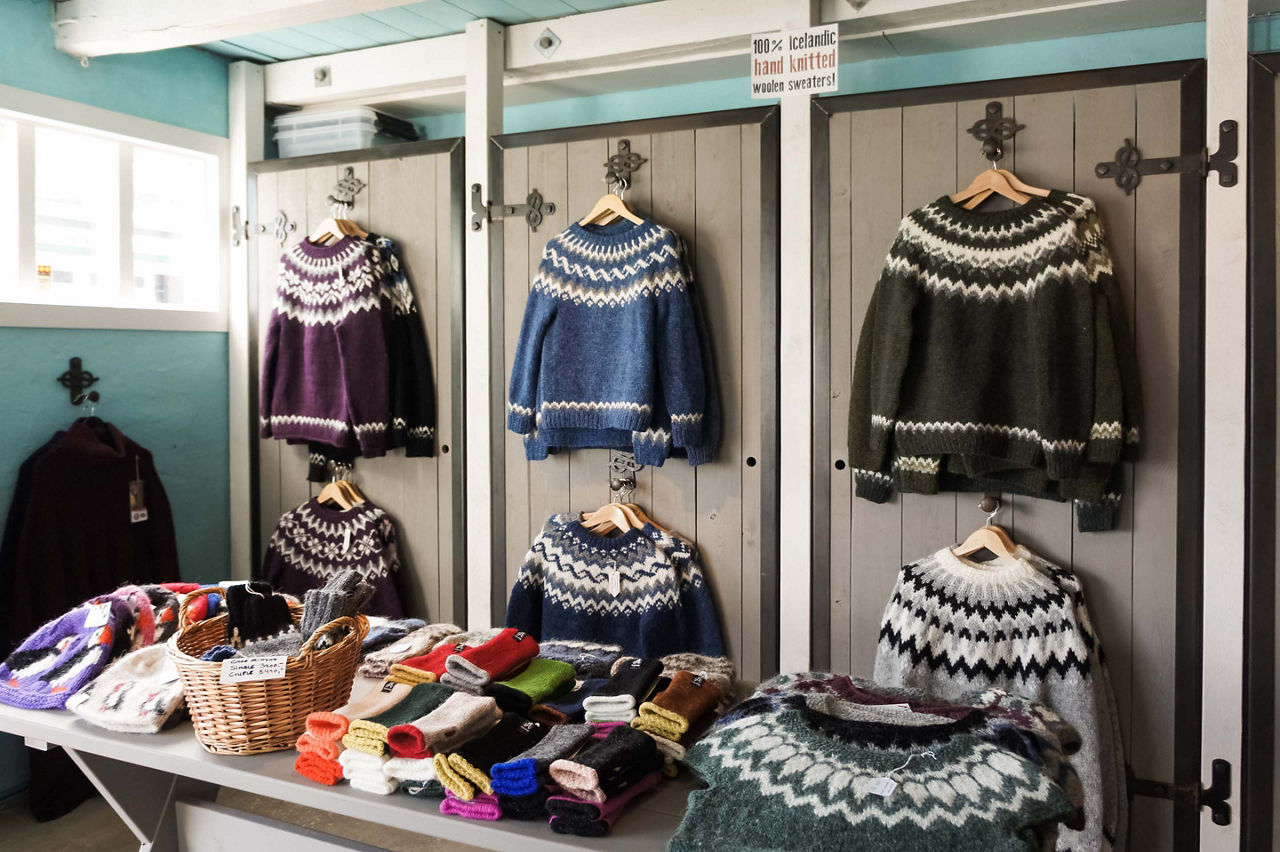
DESIGNING ICELAND
For the best shopping experience in Iceland, head to Laugavegur, also known as "The Wash Road," the hippest shopping street in Reykjavík. This lively street is famous for its designer boutiques offering clothing, artisan wool products, and uniquely designed household items. In addition to Reykjavik, you can visit the excellent Kolaportið flea market in Akureyri, where you'll find an eclectic mix of trendy local designer brands, fun souvenirs, and upscale fashion labels. These spots are perfect for discovering Icelandic craftsmanship and bringing home memorable keepsakes.
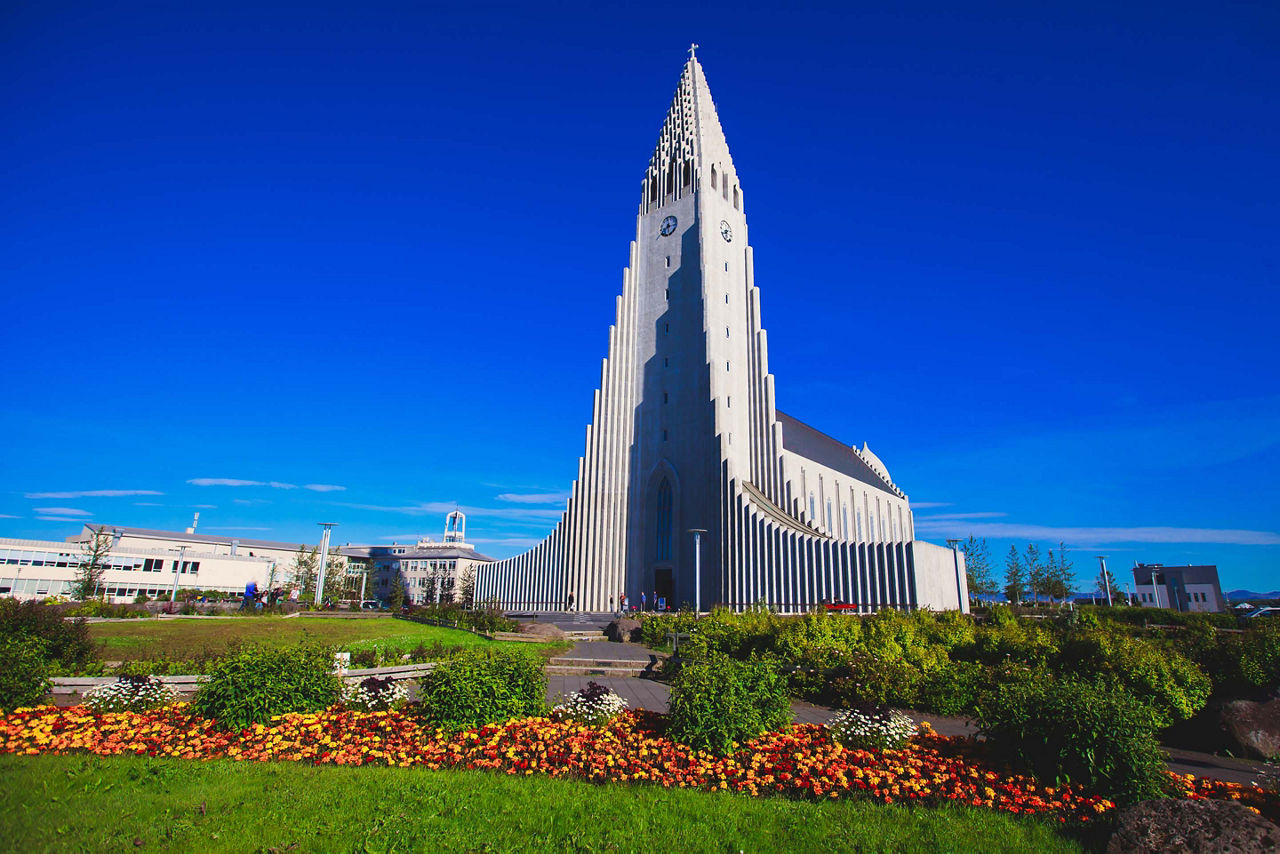
ARCHITECTURAL MARVELS
Located in the south-east of Reykjavík's city center, Hallgrímskirkja is an expressionist-style Lutheran church and one of Iceland’s most iconic landmarks. Its towering 74.5-meter-high spire offers panoramic 360° views of the city, surrounding mountains, glaciers, and the blue waters of Faxaflói Bay. In Akureyri, the striking Basalt Church, known as Akureyrarkirkja, dominates the horizon with its distinctive modern façade. Inside, the ship's replica hanging from the ceiling reflects Nordic maritime traditions, symbolizing prayers for the safety of those at sea. Both churches showcase Iceland's blend of natural inspiration and cultural heritage, making them must-visit sights on any itinerary.
HOBBIT HIDEAWAYS
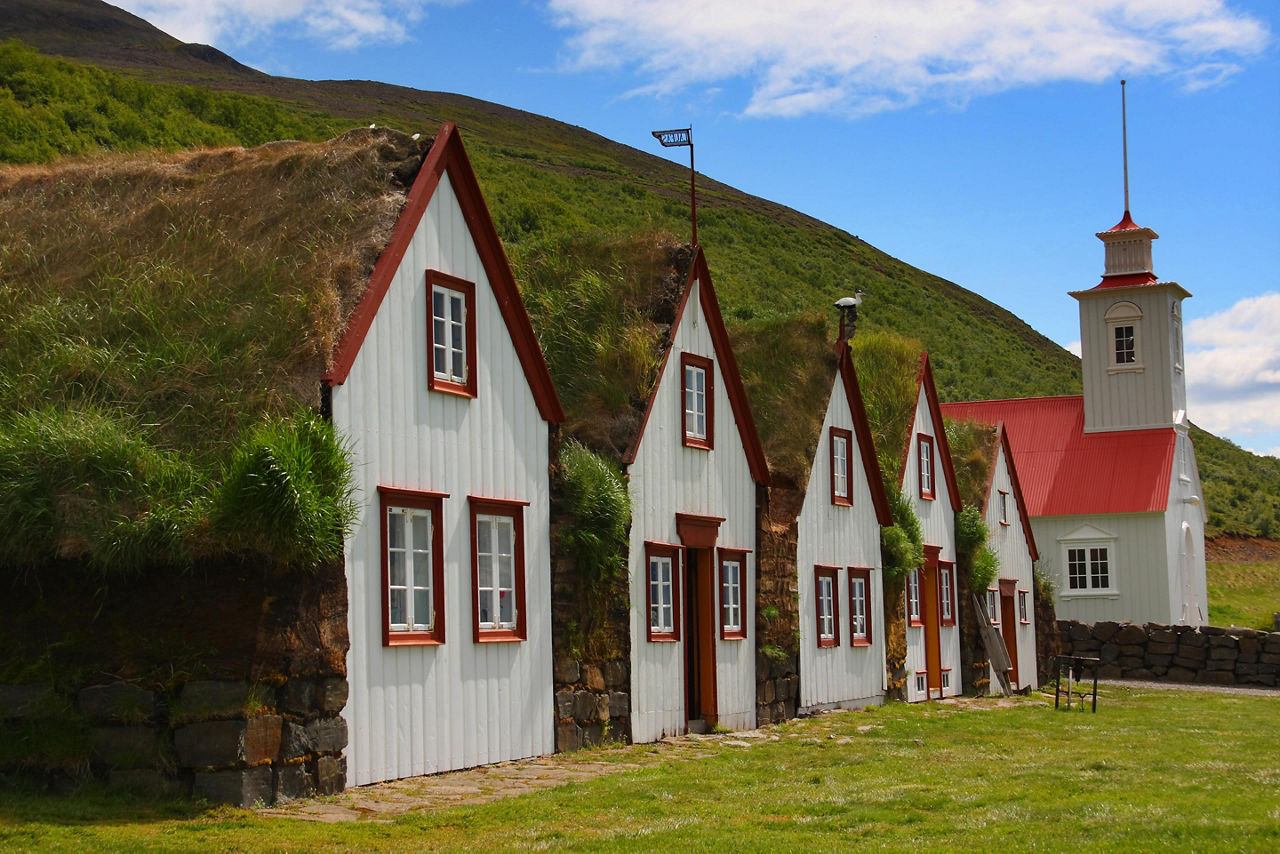
When visiting Akureyri, don’t miss the nearby village of Laufás, home to beautiful and picturesque turf houses dating back to the 1860s. These connected turf farmhouses, with their gabled roofs and interconnected rooms, provide a fascinating glimpse into how Icelanders lived in the past. The style and atmosphere of Laufás turf houses are often compared to the Hobbit houses from "The Lord of the Rings," evoking a cozy, timeless charm. Preserved and managed by the Akureyri Museum and part of the National Museum of Iceland, the site offers historical insights with period furnishings and stunning views of the surrounding fjord and mountains.
CUISINE
TEMPTING TREATS
Both Reykjavík and Akureyri offer diverse dining options where you can enjoy local or international cuisine. Icelandic food mainly features dairy, fish, lamb, root vegetables, and herbs, so get ready for hearty, flavorful meals. Many restaurants in these cities blend traditional Icelandic ingredients with modern culinary techniques, providing a rich and satisfying dining experience.
LADLE IT ON
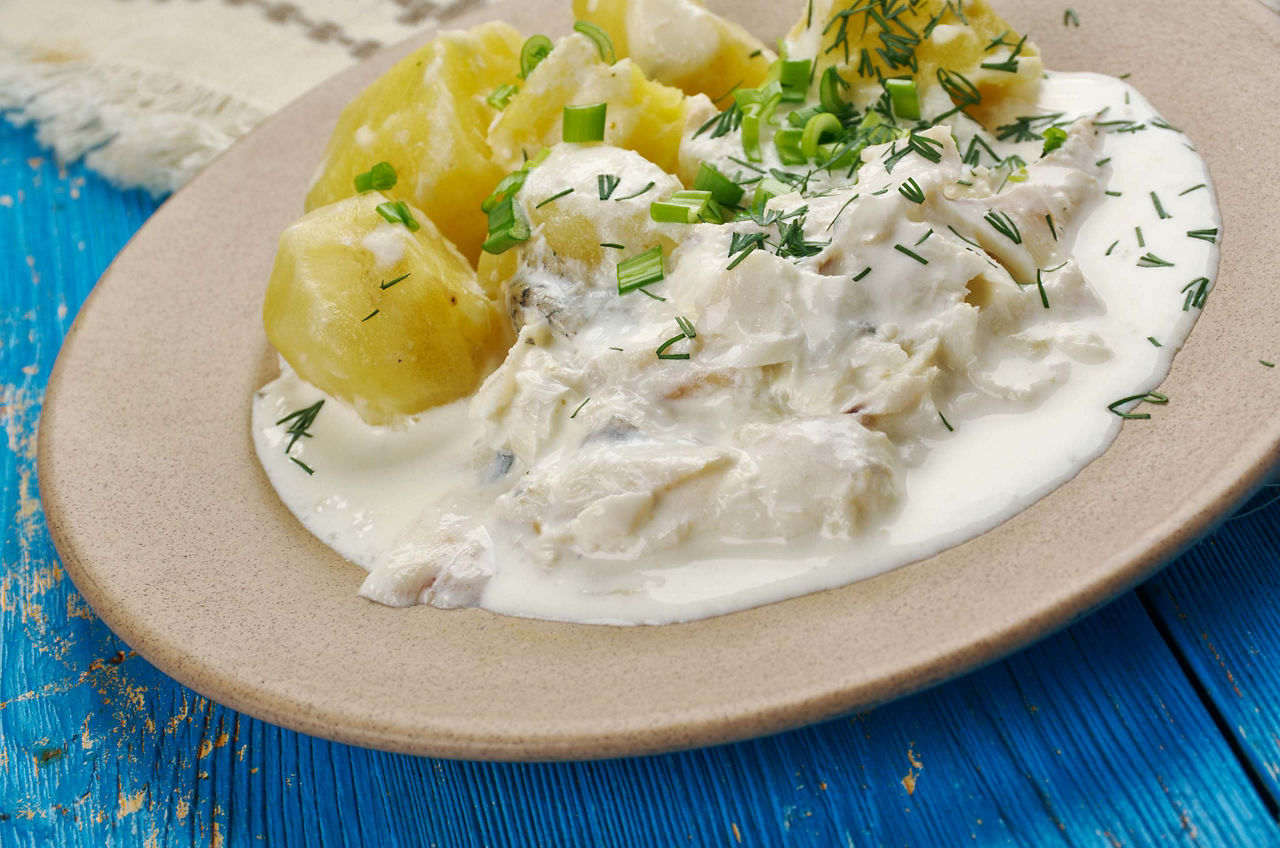
Iceland's cold waters produce some of the best seafood, showcased in Fiskisupa, a traditional fish stew. Made with cod or haddock, potatoes, butter, milk, and herbs, it’s a hearty, comforting dish that highlights Iceland’s fresh ocean flavors. This simple but satisfying stew is a must-try for anyone wanting to experience authentic Icelandic cuisine

NOT YOUR AVERAGE HOT DOG
Hot dogs, or pylsur, are Iceland's famous street food, usually made from a mix of local lamb, pork, and beef. They are served with traditional toppings like pylsusinnep, a sweet brown mustard, and remoulade, a tangy mayo-based sauce with mustard, capers, and herbs. Easily found across Reykjavík, they are a delicious, quick taste of Icelandic flavors
FERMENTED FAVORITES
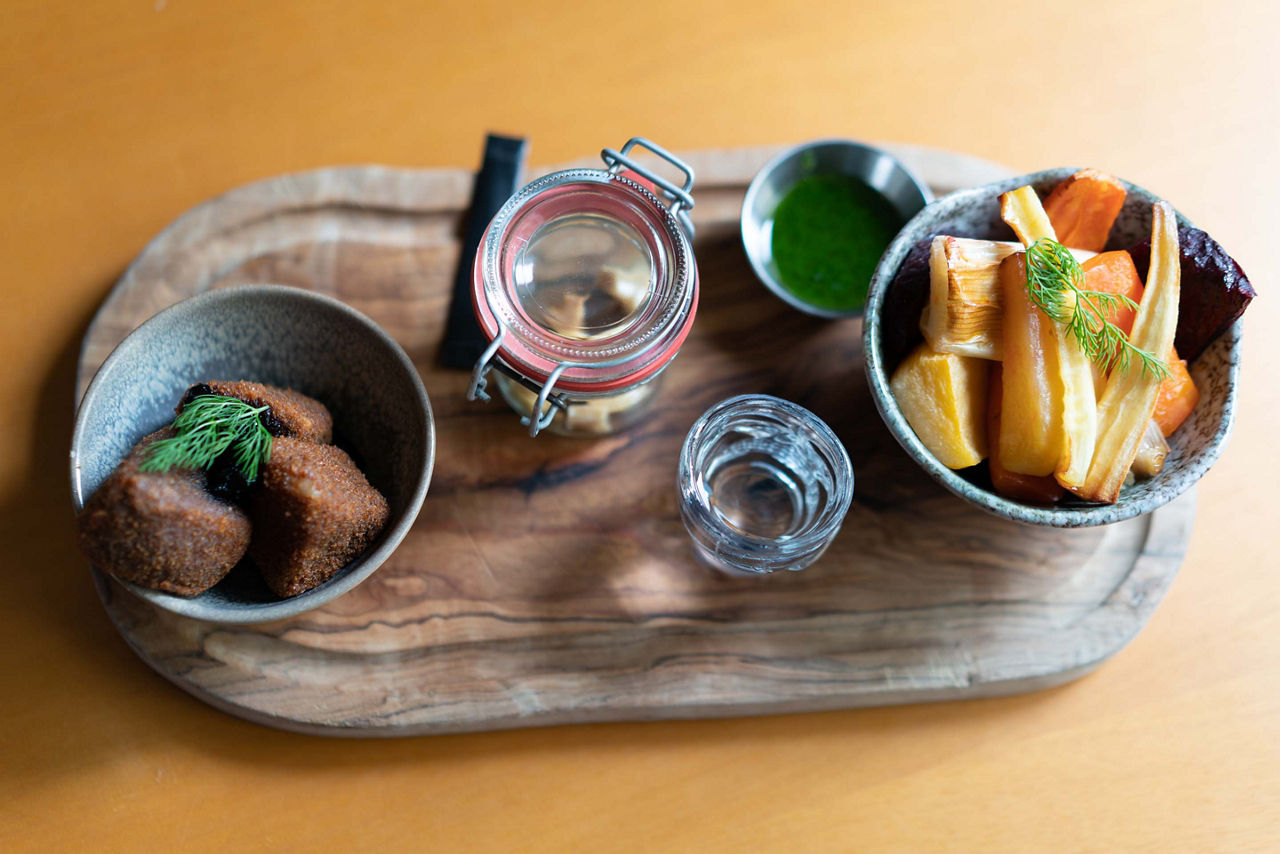
Iceland's harsh climate led to traditional food preservation through fermentation. Hákarl, fermented shark, is the most famous dish, made by burying Greenland shark meat to ferment for weeks and then drying it. It has a strong ammonia smell and a sharp flavor, often enjoyed with brennivín schnapps. For a milder option, try pickled fish served with dense mustard seeds. These methods showcase Iceland’s resourceful culinary heritage rooted in survival.